The Skyscraper of Dubai: Exploring the Heights of Burj Khalifa
Intro
The Burj Khalifa stands tall as a testament to human ambition, cutting through the Dubai skyline like a needle through fabric. Among the galaxy of high-rises, this towering masterpiece is not just about its staggering height but about what it represents—a blend of innovation, culture, and modern engineering that redefines the very essence of urban living.
At the heart of this exploration lie the remarkable features that the Burj Khalifa encompasses. The grand structure stretches up to 828 meters, boasting not only the title of the tallest building in the world but serving as a hub of residential, commercial, and entertainment spaces. It portrays a narrative that goes beyond bricks and mortar, capturing the imagination of those who gaze upon it.
In this article, we will dissect various facets of the Burj Khalifa. We'll explore its architectural design, the visitor experience, and its significant impact on real estate trends within Dubai. As we take you through the layers of knowledge, we aim to engage investors, homebuyers, and those who admire the cutting-edge architecture that defines the skyline of Dubai.
This journey will not only provide substantial information but will also shed light on how the Burj Khalifa influences market trends, elevates luxury developments, and appeals to those looking to invest in this rapidly-growing landscape.
Stay tuned as we delve deeper into the essence of this architectural marvel.
Preamble to Burj Khalifa
The Burj Khalifa stands tall not merely as an architectural feat but also as a towering symbol of global ambitions and technological prowess. This section aims to underscore the importance of that distinct enclave of Dubai, serving as a gateway for understanding not just its impressive heights but also its place within the vibrant tapestry of urban development. The Burj Khalifa transcends being just another skyscraper; it encapsulates aspirations, integrating various elements that resonate with investors, homebuyers, realtors, and architects alike.
Overview of Burj Khalifa
Completed in 2010, the Burj Khalifa is not just the tallest building in the world; it also features a blend of modern design and sustainable practices. At a staggering height of 828 meters, this skyscraper offers a striking silhouette against the Dubai skyline. Designed by the renowned architectural firm, Skidmore, Owings & Merrill, it utilizes a unique Y-shaped, tripartite floor geometry that maximizes views of the surrounding landscape while reducing wind load. The building boasts 163 floors above ground and two additional underground levels, housing luxurious spaces, leisure facilities, and state-of-the-art infrastructure.
The tower's design takes inspiration from traditional Islamic architecture while incorporating modern design principles. Critics may argue that it is ostentatious; however, it’s crucial to consider what Burj Khalifa represents—a modern renaissance for Dubai and a beacon of economic growth and resilience.
Significance in Dubai's Landscape
The Burj Khalifa is emblematic of Dubai’s ambitions to establish itself as a global hub for tourism, business, and living. The skyscraper serves as a focal point within the larger development of the Downtown Dubai area, which encompasses the Dubai Mall, another iconic attraction.
This alignment goes beyond aesthetics.
- Economic Catalyst: The Burj Khalifa has attracted millions of visitors annually, sparking an influx of investments in the area. This in turn fosters a robust real estate market, appealing to both local and international buyers.
- Cultural Identity: In a city known for rapid urbanization, the tower represents a blend of culture and modernity, gracefully acknowledging Dubai's heritage while also looking to its future. It captivates onlookers and has become a global symbol of what can be achieved with vision and resources.
- Tourism Magnet: The observation decks within the tower are some of the highest in the world, attracting tourists seeking breathtaking views. The Burj Khalifa acts as the centerpiece of various cultural events and celebrations, reinforcing its iconic status.
In sum, the Burj Khalifa is not just a structure; it is a dynamic element that enriches the cultural and economic landscape of Dubai, offering countless opportunities for those willing to engage with its legacy.
Dimensions of Burj Khalifa
The dimensions of the Burj Khalifa are not just numbers but a testament to human aspiration and ingenuity. This section takes a closer look at its remarkable height and extensive floor count, showcasing why such aspects are vital not only to the structure's architectural identity but also to the allure it holds for investors and visitors alike.
Total Floors and Height
Standing proudly at a staggering 828 meters, Burj Khalifa holds the title of the tallest building in the world. With 163 floors above ground, this skyscraper redefines what is possible in architectural design. The impressive height is often compared to iconic structures like the Empire State Building, yet it surpasses it by more than 300 meters. This accomplishment is more than a quantitative measure; it's a qualitative representation of ambition that draws people from across the globe.
Moreover, each floor of Burj Khalifa is carefully designed to maximize utility while providing residents and visitors spectacular views of the Dubai skyline and beyond. This unique combination of functionality and aesthetic value is crucial in understanding why so many are captivated by this towering giant.
Architectural Structure
The architectural structure of Burj Khalifa is a marvel of modern engineering. Designed by the renowned firm Skidmore, Owings & Merrill, the building's form is inspired by the geometries of a desert flower, specifically the Hymenocallis. The approach is not merely to create a high-rise but to craft a visual motif that enhances the skyline.
One of the key considerations during its design was the asymmetrical three-lobed footprint, which not only contributes to its aesthetic profile but also adds to its stability against wind forces. This design feature is critical, especially since Dubai experiences its fair share of strong desert winds.
The Burj Khalifa's combination of aesthetics and engineering principles encapsulates the essence of contemporary skyscraper architecture, demonstrating how form can follow function in the most innovative ways.
The structure is comprised of reinforced concrete, allowing it to withstand the various stresses imposed by its height and the environmental conditions of the region. Notably, the building's floor plates feed into a central core, providing an essential structural backbone while promoting efficient design layouts for both residential and commercial spaces.
Engineering Marvels of Burj Khalifa
The Burj Khalifa stands as a testament to human ingenuity and the relentless push toward architectural mastery. In a world that is constantly evolving, the engineering marvels embedded within this skyscraper not only showcase advanced construction techniques but also signify a shift in how we perceive vertical living and urban development. The Burj Khalifa encapsulates a blend of artistic vision and practical engineering solutions, making it a beacon for future architects and builders alike.
Construction Techniques
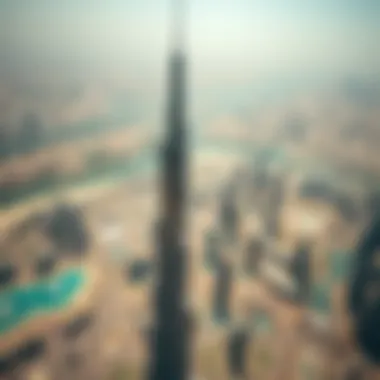
The construction of Burj Khalifa was no small feat, requiring meticulous planning and innovative techniques to achieve its staggering height of 828 meters. The project employed a unique "buttressed core" structural system which provided the necessary stability to support the tower’s immense weight. It’s like building a huge Lego castle, where each piece needs to fit perfectly to ensure the whole structure stands tall.
One distinct technique was the use of a high-strength concrete mix, which allowed the building to rise faster while maintaining structural integrity. More than 330,000 cubic meters of concrete were poured, enough to fill over 132 Olympic-sized swimming pools. It was primarily because the construction team utilized a "jump-form" system for the tower's core, enabling quick and efficient upward movement of the formwork.
Additionally, the incorporation of dome-shaped floors helped reduce wind-induced sway. Engineers designed these floors to increase stability, functioning much like a gymnast's balance beam, distributing the weight evenly in a bow-like fashion. As a result, even on gusty days, the Burj Khalifa sways imperceptibly, maintaining a steadfast presence against the sky.
Materials Used
Materials play a pivotal role in shaping not just the aesthetics but the durability of any skyscraper. For Burj Khalifa, more than just bricks and mortar, groundbreaking materials were used to enhance both functionality and visual appeal. The use of reflective glass, for instance, not only helps keep the interior temperature regulated but also allows the tower to blend beautifully with Dubai’s skyline—like a chameleon adapting to its surroundings.
Among the primary materials utilized were:
- Reinforced Concrete: This not only provides strength but also supports the drastic height of the structure.
- Glass Cladding: Composed of over 103,000 square meters of glass panels, these reflect sunlight, creating stunning visual effects while maintaining a comfortable environment inside.
- Aluminum: Used for the exterior to reduce the load on the structure while providing modern elegance.
- Steel: Integral for supporting the framework and structural elements within the tower.
The combination of these materials creates a synergy that enhances the overall performance of the Burj Khalifa, proving that when it comes to skyscraper engineering, choosing the right materials can make all the difference.
"In the construction of the Burj Khalifa, every decision was about making sure that the structure would not only reach new heights but would also be a marvel for generations to come."
In essence, the engineering marvels of the Burj Khalifa extend beyond mere mechanics; they encompass a holistic vision of urban living. The careful choices in construction techniques and materials not only ensure the safety and durability of the tower but also play a crucial role in shaping the identity of modern Dubai.
Residential and Commercial Spaces
The Burj Khalifa is not merely a pinnacle of engineering and architectural beauty; it's a vibrant ecosystem of residential and commercial spaces that contribute significantly to Dubai's dynamic urban fabric. As we explore these facets, we uncover how this towering structure has become not just an icon but a vital part of daily life for residents and visitors alike.
Luxury Residences
Burj Khalifa boasts luxury residences that redefine upscale living. Spanning several floors, these residences offer breathtaking views that few can rival. Imagine waking up to the early morning sun painting the Arabian sky, or enjoying a sunset over the desert – this is a daily reality for its residents.
The apartments feature high ceilings, expansive glass walls, and state-of-the-art amenities like concierge services, fitness centers, and spa facilities. Every detail is meticulously crafted, marrying function with elegance. Some key elements include:
- Exclusive Access: Residents have an edge with amenities like private lounges and pools.
- Prestigious Community: Living in Burj Khalifa places residents in a global network of luxury seekers and cosmopolitan individuals.
- Investment Appeal: These properties not only serve as stunning homes but also as solid investments due to their prime location and luxurious features.
In essence, the luxury residences of Burj Khalifa are not just living spaces; they embody an lifestyle that many aspire to attain.
Corporate Offices
On the flip side, corporate offices in Burj Khalifa cater to businesses looking for prestige and visibility in one of the world’s busiest cities. These office spaces are occupied by high-profile companies, including multinational corporations and startups alike. Here’s why corporate offices in Burj Khalifa hold great significance:
- Location, Location, Location: Situated in the heart of Dubai, these offices connect businesses to a global market, with easy access to essential networking opportunities.
- Impressive Work Environment: The modern design and high-tech facilities create an inspiring atmosphere that fosters creativity and productivity.
- Building Prestige: Having an address in Burj Khalifa enhances a company's image, signaling to clients and partners a commitment to excellence.
The office spaces are often designed with flexibility in mind, accommodating various business needs – from the open-plan layouts favored by tech startups to more traditional setups preferred by established corporations.
This blend of luxury living and corporate sophistication within Burj Khalifa highlights the tower’s role as a hub for both personal and professional growth. It’s clear that whether one seeks a lavish home or a prestigious workplace, Burj Khalifa offers spaces that cater to a high-caliber lifestyle.
"Living or working in Burj Khalifa means being part of a legacy, a community, and a vision that transcends traditional scalar boundaries."
For more insights into luxury and commercial living, check out Encyclopedia Britannica or Reddit discussions.
Cultural and Social Impact
The cultural and social influence of the Burj Khalifa is as towering as the structure itself. This skyscraper has become more than just a building; it’s essentially a symbol that embodies the ambition and innovation inherent in Dubai's rapid development. Understanding its impact encompasses not just architectural admiration but also the socio-economic changes it has driven in the region.
Symbol of Progress
In many ways, Burj Khalifa stands as a beacon of progress. It narrates Dubai's journey from a modest desert fishing village to a global metropolis. In an era when many cities are revered for their historical architecture, the Burj Khalifa showcases how modernity and tradition can coexist. The building reflects the aspirational spirit of the Emirate, aiming high as it stretches upward into the sky.
Its importance transcends the physical. Every time it lights up for a national celebration, it communicates a message: ambition knows no bounds. Local businesses thrive around it, drawing tourists and investors alike. This flow of investment has not just led to economic growth but also cultural exchange, making Dubai a melting pot where diverse traditions converge under the shadow of this iconic tower.


Furthermore, the Kahlifa is also a landmark for expatriates, embodying the opportunities and aspirations many seek. It catalyzes dialogues about progress and success among various communities, solidifying a shared identity among its residents.
Cultural Events Hosted
Burj Khalifa is a stage for numerous cultural events, further enhancing its role in Dubai’s social fabric. From spectacular firework displays on New Year’s Eve to the mesmerizing light shows that celebrate important festivals, it brings people together, both residents and visitors alike. These events, often broadcast worldwide, position Dubai not just on the local map but also on the global one. They nurture a sense of pride and belonging among locals, while enticing tourists who flock to experience these unique happenings.
Here’s a glimpse into some notable cultural events and activities:
- New Year Celebrations: The stunning fireworks display at the base of the Burj is a focal point for thousands of spectators each year.
- Light and Sound Shows: These are organized frequently, showcasing various themes, from national pride to artistic expressions.
- Art Fairs and Exhibitions: In collaboration with local artists, the tower has hosted events that promote understanding and appreciation of contemporary art forms.
Such events not only reinforce the tower’s status as a cultural hub but also spotlight Dubai as a cosmopolitan city that appreciates art, music, and community. By facilitating these gatherings, Burj Khalifa has woven itself into the very fabric of social interactions, making it a significant connector of individuals and ideas.
Visitor Experience at Burj Khalifa
Visiting the Burj Khalifa offers an opportunity that transcends mere architectural admiration; it’s about immersing oneself into the heart of Dubai's skyline. Every visitor, whether an avid architecture enthusiast or a casual traveler, experiences a unique blend of awe and inspiration. The design and execution of the visitor experience enhances the thrill of standing amidst such a colossal structure. The anticipation as one approaches the tower, which seemingly pierces the sky, sets the stage for what is to come.
Observation Deck Insights
Perched on the 148th floor, the observation deck presents one of the highest viewpoints in the world. Designed to offer visitors a panoramic view of Dubai and its surrounding landscape, this deck isn’t just a vantage point; it’s an experience in itself. Upon stepping off the elevators—the fastest in the world—guests are greeted by floor-to-ceiling windows, offering an uninterrupted view that leaves many breathless.
What sets this experience apart is the thoughtfully curated journey. Information panels and interactive displays educate guests on the visibility of notable landmarks. It’s like a treasure hunt in the sky, where each glance presents another piece of Dubai’s vast tapestry. As one gazes down at the bustling city below, time seems to stand still, allowing for reflection and inspiration.
Moreover, the experience is enriched during sunset, when the entire city is bathed in hues of gold and crimson, casting a spell on onlookers. Visitors snap photos not just as keepsakes but as shared experiences, further enriched by the bustling atmosphere of excitement.
Dining Options
Dining at Burj Khalifa is like indulging in a culinary journey that floats above the city. Two standout venues, At.mosphere and The Lounge, offer not just meals, but an experience that elevates dining to new heights—quite literally.
- At.mosphere: Located on the 122nd floor, this restaurant is renowned for its fine dining and unrivaled views. Guests can dine on dishes that marry international flavors with local ingredients, all while enjoying an unimpeded view of the city. The ambiance is tasteful, blending contemporary design with a warmth that makes one feel at home, despite the soaring altitude.
- The Lounge: Occupying multiple levels, The Lounge offers a more relaxed yet equally luxurious setting for afternoon tea or evening cocktails. The plush surroundings speak to elegance, and the menu features a delightful mix of light bites and beverages that are as pleasing to the eye as they are to the palate.
Dining at Burj Khalifa is more than just eating; it’s about sharing moments—whether with friends, family, or that special someone.
"Dining experiences in Burj Khalifa give patrons a feast for the eyes, not just the stomach."
In summary, the visitor experience at Burj Khalifa is layered with the thrill of observation combined with the indulgence of fine dining. It invites all to explore face-to-face with one of the world’s most distinct architectural wonders, creating lasting memories and connections to this iconic structure and the city it represents.
For additional insights, visitors often turn to resources like Wikipedia on Burj Khalifa or discussions on sites such as Reddit for experiential reviews and tips.
Burj Khalifa in Global Context
The Burj Khalifa stands not just as a unique structure in Dubai but as a defining feature of contemporary architecture globally. As the tallest building in the world, it challenges conventions and redefines the limits of what can be achieved in urban design. The implications of such a feat reach far beyond its mere dimensions, echoing through various industries like tourism, real estate, and even cultural narratives.
Comparison with Other Tall Structures
When it comes to towering accomplishments, the Burj Khalifa isn’t alone. Buildings like the Shanghai Tower and the Abraj Al Bait Clock Tower often come up in conversations about height and grandeur. However, Burj Khalifa is distinct in several ways:
- Height and Design: Standing at 828 meters, this structure is not just taller than its rivals; its design incorporates traditional Islamic architecture blended with modern engineering techniques. This design choice resonates stronger in a cultural sense than just sheer height.
- Tourism Magnet: Attracting millions of visitors each year, it acts as a catalyst for Dubai's economy, far more than other skyscrapers do. The viewing platform on the 148th floor offers breathtaking views that can't be matched, much like the building itself.
- Symbolic Representation: Beyond its frame, Burj Khalifa embodies a cultural message of progress and ambition for a city steeped in rich history and diverse traditions. For many, it’s not just a building, but a beacon of what determination can achieve.
In a world filled with impressive skylines, the Burj Khalifa remains a standout not only for its height but for what it represents—a narrative of ambition, innovation, and an ever-evolving skyline.
Contributions to Sustainable Architecture
In the landscape of modern architecture, sustainability is no longer an afterthought; it's a necessity. The Burj Khalifa has its own contributions to this vital conversation. Here are a few key elements that emphasize its sustainable architecture:
- Energy Efficiency: Burj Khalifa employs a state-of-the-art cooling system, reducing energy consumption compared to traditional high-rise buildings. This system captures and recycles condensation from the building, a unique approach that promotes efficient water use in a desert climate.
- Materials and Construction: The structure uses a high-performance concrete that provides strength without excess weight. This, in turn, reduces the material needed and minimizes the building's overall carbon footprint.
- Smart Technology Integration: Equipped with adaptive technology, the building optimizes energy use in response to changes in weather and occupancy levels. This kind of smart integration is becoming increasingly important in urban planning.
"Each feature of Burj Khalifa was not only designed with aesthetics in mind but also to enhance the building's environmental performance."

By pushing the envelope in the realms of both height and sustainability, Burj Khalifa demonstrates that high aspirations need not come at the expense of our natural resources, serving as a model for future projects across the globe.
While the Burj Khalifa is often lauded for its statistics, the bigger picture reflects an architectural philosophy that respects and enhances its environment. It compels us to think not just about the structures we build, but the legacies we leave.
Challenges Faced During Construction
Building the Burj Khalifa wasn’t just about stacking floors. The endeavor came with its fair share of trials. Understanding these obstacles is crucial not only for appreciating the engineering feats achieved but also for grasping how it influences the skyline of modern architecture. This section discusses the geographical and climatic hurdles faced, along with the technological innovations employed to address those hurdles, adding layers of depth to our understanding of this magnificent structure.
Geographical and Climate Challenges
Dubai's unique geographical location is a double-edged sword. On one hand, its position allows for impressive views over the Arabian Gulf, but on the other hand, it's embedded in a hyper-arid region where temperature can soar beyond 50 degrees Celsius. These extreme temperatures require precise planning and execution. The construction materials were chosen not only for their strength but also for their ability to withstand heat. Traditionally, concrete expands when it gets hot, but not in this case. High-performance concrete was used, which retains its integrity even in sweltering temperatures.
Moreover, the sandy soil of Dubai posed significant stability concerns. To tackle this, extensive geological surveys were conducted, leading to the decision to build a deep foundation, reaching about 50 meters into the ground. This foundation is among the deepest in the world, designed specifically to support the colossal weight of the building while also resisting the potential for seismic activity—a factor too often neglected in regions like Dubai, where such events are rare but possible.
"The Burj Khalifa represents not just a feat of engineering, but also an audacious answer to the environmental challenges we face in modern construction."
Technological Innovations Required
To navigate the complexities of building such a towering giant, engineers and architects had to leverage groundbreaking technology. Advanced software simulations played an essential role in designing the Burj Khalifa. These tools allowed them to visualize how the building would react to strong winds, which can be extreme at high altitudes.
One innovation that stands out is the use of the "buttressed core" structural system. This method combines the architectural elegance with structural resilience, allowing the skyscraper to soar to heights never before achieved. This design supports the vertical load while enabling lateral stability, making it possible to withstand the high-pressure winds that confront such tall structures every day.
Hydraulic jacks were another technological marvel during the construction phase. They were employed in lifting concrete more than 160 floors high—a method known as high-rise pumping. This technique revolutionized the way buildings are erected and minimized downtime that traditionally comes with constructing at remarkable heights.
In summary, the construction of Burj Khalifa was not merely a matter of bricks and mortar. It required an intricate dance of geographical considerations and technological mastery. Investors and enthusiasts alike should take note; the story of Burj Khalifa is a potent reminder of what can be achieved when innovation meets determination.
Future Developments and Impacts
The landscape of Dubai has been forever altered by the presence of Burj Khalifa, and its impact stretches beyond aesthetic appeal. As a focal point for future urban development, the tower serves as a catalyst for innovation and growth in the city. This section explores two significant aspects of this impact: the vision for urban development and the influence on the real estate market.
Vision for Urban Development
As we look ahead, Burj Khalifa isn’t just a solitary skyscraper but rather a cornerstone for Dubai’s ambitious urban plans. The structure itself represents the pinnacle of architectural design, inspiring similar ventures in sustainability and urban planning across the region.
Dubai authorities have earmarked areas surrounding the Burj for redevelopment, aiming to create a vibrant urban hub. Key considerations include:
- Sustainability Initiatives: New constructions are increasingly focusing on environmentally friendly practices, driven by Burj Khalifa's example. This involves using energy-efficient technologies and integrating green spaces within urban fabric.
- Cultural Integration: The area around Burj Khalifa is set to host cultural centers, parks, and public amenities. Merchants will find increased traffic, drawing in tourists and locals alike with a mix of shopping, dining, and entertainment.
- Transport Connectivity: Enhancements in public transport options are planned, aiming to facilitate seamless movement for visitors and residents. Projects include extensions of metro lines and the introduction of electric bus services.
Dubai is clearly not resting on its laurels; with Burj Khalifa leading the way, the city is aiming for the stars, inspiring futuristic developments that echo the skyscraper's legacy.
Influence on Real Estate Market
The incredible height and allure of Burj Khalifa have inevitably shifted the real estate landscape in Dubai, creating a domino effect throughout the property market. As investors and homebuyers flock to this iconic area, the demand for properties has surged. Some important observations include:
- Luxury Living Demand: There's a notable increase in interest for luxury units within Burj Khalifa itself and its surrounding areas. This demand is driven by the prestige associated with living near the world’s tallest building, with residential real estate seeing substantial price appreciation.
- Commercial Interests: Corporations are eyeing office space close to Burj Khalifa, drawn in by the prestige and visibility it offers. The surrounding commercial developments are becoming prime spots for multinational companies, thus pushing up office rents.
- Investment Opportunities: It’s not just locals who are intrigued. International investors are now looking at Dubai as a lucrative option. The real estate market is experiencing an influx of foreign investment, motivated in part by the Burj’s standing in the global market.
"Real estate in Dubai isn’t just about land; it’s about the pulse of a dynamic city that continues to evolve, with Burj Khalifa at its heart."
In summary, as Burj Khalifa continues to mold the skyline of Dubai, it serves both as a beacon of urban innovation and a powerful influence on the local real estate market. Investors, homebuyers, and realtors must remain attuned to these future developments and impacts, as they will shape the opportunities that lie ahead.
For further readings on urban development and real estate trends in Dubai, resources such as UAE Government and insights from Dubai Real Estate can serve as valuable tools.
Ending
The profound significance of the Burj Khalifa extends beyond its physical stature; it has come to embody Dubai's aspirations and determination. This article has navigated various aspects of this architectural treasure, revealing not only its staggering height and innovative design but also its cultural and economic ramifications. Readers interested in real estate or urban development can glean valuable insights into how such iconic structures can revolutionize city skylines.
The impact of Burj Khalifa on Dubai's landscape is manifold. It has transformed the city’s tourism sector, making it a must-see destination for travelers and locals alike. The tower itself stands as a testament to human ingenuity, demonstrating what can be achieved when creativity and engineering come together harmoniously.
Recognizing this, it becomes clear that the Burj Khalifa is not just an observation point for visitors; it serves as a lively business hub, housing corporate offices and luxurious residential spaces that echo the ethos of modern living. It's a place where ambition meets luxury, fostering a unique environment conducive to business and leisure alike. Ultimately, as a resource for both investors and stake holders, the skyscraper symbolizes the potential that urban spaces hold as they continue to evolve.
"Burj Khalifa is more than a building; it is a hallmark of what a city can achieve when it dreams big."
As we draw our exploration to a close, it’s essential to recognize that the Burj Khalifa's legacy will not simply be about height but will rather revolve around its lasting influence in the realms of architecture and community. The lessons drawn from this monumental structure can provide blueprints for future projects across the globe, challenging builders and architects to push boundaries even further.