
Discovering Dubai's Spice Souk: Culture & Culinary Delights
Intro
Nestled in the heart of Dubai, the Spice Souk stands as a vibrant testament to the city’s rich tapestry of culture and commerce. This bustling market, awash in colors and aromas, not only captivates the senses but also weaves a narrative deep-rooted in the traditions of trade. From the earliest days of commerce in the region to the modern influx of tourists and expatriates, the Spice Souk has continually evolved while maintaining its core essence—an intersection where the ancient art of spice trading meets the modern world's demands.
People from all walks of life wander through its narrow alleyways, where merchants proudly display spices that range from the familiar to the exotic. Here, one can find everything from vibrant saffron and aromatic cardamom to rare herbs that hint at stories from distant lands. For many visitors, the Spice Souk offers much more than just a shopping experience; it brings the flavor of Dubai’s history alive and offers insights into the cultural significance of these potent ingredients.
In examining the Spice Souk, we will delve into not only the flavors that make it a culinary gem but also the broader implications of its existence within Dubai’s economic landscape. The dynamic interplay between tradition and modernity manifests in this marketplace, illustrating how local customs and global influences can harmonize beautifully. This article will make an effort to explore these facets and the reasons why this market remains a vital part of Dubai’s identity.
Prelims to the Spice Souk
The Spice Souk stands as a remarkable testament to the rich tapestry of culture and commerce that defines Dubai. Nestled in the heart of the city, this market not only offers a cornucopia of aromatic spices but also presents an essential chapter in the narrative of the region's historical and cultural evolution. Here, amidst the vibrant stalls lined with colorful spices, the air is thick with the scent of cardamom, turmeric, and saffron; it is an experience that engages the senses like few others.
Historical Background
The origins of the Spice Souk are steeped in the deep-rooted traders' routes that have connected Dubai to the broader Middle East and beyond for centuries. It has evolved from a small trading post into a bustling market that plays a pivotal role in the local economy. The history stretches back to when nomadic tribes would barter goods, fostering a culture of exchange and interaction. Following the discovery of oil in the late 20th century, the city ambitiously transformed, yet the souk managed to maintain a link to its past, preserving traditional trade practices even as modern skyscrapers began to dominate the skyline.
This market was essentially the backbone of Dubai’s commerce for spices, herbs, and various culinary ingredients crucial for local dishes and traditional medicine. As one strolls through the narrow paths, it becomes clear that each vendor tells a story, drawing from generations of knowledge about spices that date back millennia.
Cultural Significance
The cultural importance of the Spice Souk cannot be overstated. Beyond mere trading, it serves as a gathering place, where locals and tourists alike engage in the vibrant exchange of traditions and knowledge. Visitors become part of a communal atmosphere, where hands are extended to share recipes, cooking tips, and stories tied to the spices being sold.
In addition to being a commercial hub, the souk reflects the confluence of cultures that defines Dubai. It draws in expatriates and tourists from around the globe who are eager to explore and partake in this essential element of Dubai's culinary landscape. The flavors of the Spice Souk are not merely enjoyed in isolation; they contribute to the global culinary dialogue, influencing chefs and food enthusiasts worldwide.
Furthermore, the market’s layout allows for immersive experiences, as sellers often showcase how to incorporate spices into traditional dishes. Beyond culinary exploration, this engagement offers insights into the social and cultural fabric of Dubai, revealing the importance of communal ties and shared culinary experiences among diverse communities.
As one wanders through the Spice Souk, it is impossible not to sense the ongoing evolution of tradition and modernity. This marketplace encapsulates not only the flavor of the region but also its soul, making it a must-visit destination for those who wish to dive deeper into the cultural depths of Dubai.
A Walk Through the Spice Souk
The Spice Souk serves as a gateway into the rich culinary and cultural tapestry that defines Dubai. Walking through this bustling marketplace is more than just a shopping experience; it’s an immersive journey into the essence of the city. Visitors can discover a blend of sights, sounds, and scents that reflect the long-standing tradition of spice trade in the region. It's a place where the past and present converge, offering insights into both local life and global connections.
Layout and Structure
The layout of the Spice Souk is a maze of narrow alleyways, where each turn reveals a new treasure trove of spices, herbs, and other aromatic goods. Vendors often display their wares on makeshift tables, draped with colorful fabrics that catch the eye. Each vendor typically specializes in different spices, so you may find saffron beside cardamom, or dried herbs grouped with vibrant chili powders, creating a visual feast. Visitors should be prepared to wander and explore; the charm of the souk lies in its slightly chaotic arrangement, which leads to unexpected discoveries.
- Many stalls are shaded by awnings that provide respite from the blazing sun.
- Wooden beams and low ceilings create a cozy atmosphere, reminiscent of traditional markets from generations past.
- The layout encourages interaction; it’s common to hear vendors calling out to passersby, inviting them to sample their products.
This bustling market is structured in a way that allows not just for commerce but for conversation and community. Small seating areas are often available for people to take a break, sip tea, and indulge in the market's ambiance.
Market Atmosphere
Stepping into the Spice Souk can feel like entering a world where time slows down. The market atmosphere is filled with wonderful scents that swirl through the air—cinnamon, paprika, and the sharp tang of dried citrus create a symphony of aromas that can be both overwhelming and inviting. The sound of chattering voices combines with the rustle of spices being measured and the clinking of small jars being filled.
"The Spice Souk is where the heart of Dubai beats, where every grain of spice tells a story of connections, trade routes, and shared cultures."
Here, you can often encounter locals, tourists, and chefs alike, all searching for that special ingredient. It's not just a place for trade; it’s a cultural crucible. Visitors might find local craft demonstrations interspersed among the spice stalls, showcasing how traditional methods are still in use today. The hustle and bustle of the marketplace create an infectious energy, bringing a feeling of belonging as people share their culinary interests divulging secrets of their family recipes.
Both a sensory delight and a vibrant interaction space, the Spice Souk remains a cherished landmark in Dubai, embodying the spirit of exploration and discovery. Because of its unique structure and lively atmosphere, it continues to thrive as an essential part of the region's identity.
Relevant Links
Varieties of Spices Offered


The Spice Souk in Dubai is more than just a marketplace; it is a vibrant tapestry woven from the diverse threads of global culinary heritage. The grandeur of this market is reflected in the varieties of spices that offer visitors an almost magical experience. Each corner and stall is brimming with aromatic treasures, which not only tantalize the senses but also narrate stories of trade, culture, and history.
In this bustling market, one can find spices that have been traded for centuries, emphasizing their significance not just within local cuisine but also on a global scale.
Common Spices
Visitors often encounter an array of common spices that have made their way into kitchens worldwide. These staples are the backbone of many dishes, echoing a sense of familiarity despite their exotic origins.
- Cumin: This little seed packs a punch of flavor and is used extensively in Middle Eastern and Indian cuisines. It brings an earthiness that many find comforting.
- Coriander: Often mistaken as merely a garnish, coriander provides a refreshing twist to food, whether fresh or dried.
- Turmeric: Known for its bright golden hue and potential health benefits, it’s a must-have in any spice lover’s collection.
The presence of these spices is vital as they represent the universal quest for flavor enhancement. In essence, they signify comfort and connection through food. The common spices available in the Spice Souk are integral to Dubai's culinary scene as they uphold a tradition of flavor while catering to modern tastes.
Rare and Exotic Options
As one delves deeper into the Spice Souk, the rare and exotic spices begin to reveal themselves—each with its own story and unique characteristics. These items often spark intrigue and excitement, making them highly sought after among culinary enthusiasts.
- Saffron: Often dubbed as the most expensive spice in the world, saffron is harvested from the crocus flower and carries a rich flavor as well as vibrant color, adding elegance to any dish.
- Sumac: This tangy spice adds a sharpness that can elevate dips and meats alike, representing the innovative spirit of Middle Eastern flavor combinations.
- Dried Lime: Known locally as loomi, dried limes bring a burst of citrus that is beloved in Persian cuisine. This spice rarely finds its way into the average Western pantry, but its complexity is notable.
These rare spices not only enhance culinary experiences; they also serve as a testament to the cultural exchanges that occur within the corridors of the Spice Souk. The confluence of flavors, colors, and aromas embodies the heritage of a global marketplace that celebrates diversity in every pinch.
The Art of Bargaining
Bargaining in the Spice Souk isn't just a transaction; it's an art form that embodies the spirit and culture of Dubai. This vibrant market, where the air is thick with the smell of spices, offers a unique experience that goes beyond simply acquiring goods. Understanding the nuances of bargaining can turn an ordinary shopping trip into an engaging and memorable experience. It's not merely about haggling over a price, but about connection, tradition, and storytelling that enriches the cultural fabric of the souk.
Understanding Local Practices
The act of bargaining in the Spice Souk is steeped in tradition. Here, prices aren’t usually marked, giving buyers the freedom to negotiate. Local merchants expect some back-and-forth and are often willing to entertain requests for lower prices. A friendly smile and a respectful attitude can go a long way.
It's interesting to note that each merchant may have their own tactics, reflecting their personality and approach to business. Some may start high, anticipating a negotiated drop, while others might set a lower baseline to foster goodwill. Visitors should immerse themselves in this cultural exchange, reflecting on how this practice is a social interaction rather than just a financial one.
While bargaining is expected, understanding the local customs helps visitors engage more effectively:
- Know Your Prices: Familiarize yourself with the general market prices of spices ahead of time.
- Learn Key Phrases: A little Arabic goes a long way, phrases like "Salam Alaikum" (Peace be upon you) or "Shukran" (Thank you) can create rapport with sellers.
- Be Patient: Good deals often take time to negotiate. Rushing may lead to unfavorable outcomes.
Tips for Visitors
For those venturing into the Spice Souk, a few effective tips can enhance the bargaining experience and make it enjoyable:
- Start Low: When offering your price, begin with a number that is lower than what you are actually willing to pay.
- Walk Away: If the price isn't right, don’t be afraid to walk away. This can prompt the merchant to call you back with a better offer.
- Engage in Conversation: Ask about the spices, their origins, and usage in cooking. This builds rapport and makes bargaining feel less transactional.
- Be Ready to Walk Away: If you feel the price is still too high after some efforts, politely say no and begin to leave. This indicates you value your budget.
- Be Respectful: Maintain a friendly demeanor, as respect for the merchant's livelihood fosters goodwill.
Bargaining at the Spice Souk is seldom merely about saving a few dirhams; it allows both buyer and seller to share stories and insights about culture and traditions. This interaction can lead to unique finds and lasting memories of Dubai's rich culinary landscape, making each visit to the souk a rich experience beyond just shopping.
"In the soul of cooking and spices, there’s a story waiting to be tasted; each price is an opportunity for connection."
Economic Impact of the Spice Souk
The Spice Souk, a vibrant string in the fabric of Dubai's bustling market district, carries more than just the scent of exotic herbs and spices. It has a significant economic footprint that touches numerous facets of the local and wider economy. By dissecting the contributions it makes to local businesses and its role as a tourist magnet, we gain valuable insight into why this marketplace is vital to Dubai's prosperity and international reputation.
Contributions to Local Business
At the heart of the Spice Souk lies a network of local businesses that thrive on the market's unique offerings. The vendors here, often small family-owned shops, have built a legacy through generations, turning what was once a simple trade into a broader cultural and commercial phenomenon. These enterprises benefit from several factors:
- Direct Access to Diverse Products: Local businesses have the unique advantage of sourcing high-quality spices, dried fruits, and herbs from around the world, contributing to a rich tapestry of culinary experiences in Dubai.
- Employment Generation: The souk supports a workforce that includes not just the shop owners, but also an array of employees engaged in logistics, marketing, and customer service. This creates job opportunities, aiding the local economy.
- Culinary Collaborations: Many restaurants and cafés near the souk collaborate with these vendors to create dishes rich in flavor and tradition, leading to increased retail sales and enhancing their menu’s appeal.
For expats and investors, understanding the type of products offered can guide potential business ventures. Imagine setting up an artisanal food brand that emphasizes quality spices sourced directly from the Souk—this could attract a local clientele.
Role in Tourism


Tourism is a cornerstone of Dubai's economy, and the Spice Souk significantly enhances the city's allure for international visitors. Here's how the souk captivates tourists:
- Cultural Experience: Many tourists seek authenticity when exploring new places. The Spice Souk provides just that. It’s a sensory overload of sights, smells, and sounds, giving visitors a taste of Dubai’s rich heritage.
- Unique Shopping Opportunities: Unlike commercial malls, the souk offers unique products, fostering a sense of discovery and intrigue. Tourists often leave with exotic souvenirs that carry a piece of Dubai back to their home countries, thus contributing to long-term economic benefits.
- Diverse Events and Education: Workshops on spice blending, cooking classes, and cultural events foster community spirit and create memorable experiences. These initiatives not only educate visitors but also encourage them to share their experiences through social media and word of mouth, enhancing the souk’s visibility on international platforms.
"The souk is more than just a market; it is a living museum of spices that tells the story of Dubai's multicultural heritage, engaging tourists and locals alike."
Visitor Experiences
To truly grasp the essence of the Spice Souk, one must appreciate the value of visitor experiences. This market is not merely a place for transactions; it serves as a vibrant tableau where the rich cultural fabric of Dubai comes alive. Engaging with the souk offers tourists and locals alike a unique opportunity to immerse themselves in the aromas, sights, and sounds that define this culinary landmark. Understanding these experiences points to the deeper connections people forge with the land’s history and the ongoing dialogue between tradition and modern life.
Sensory Impressions
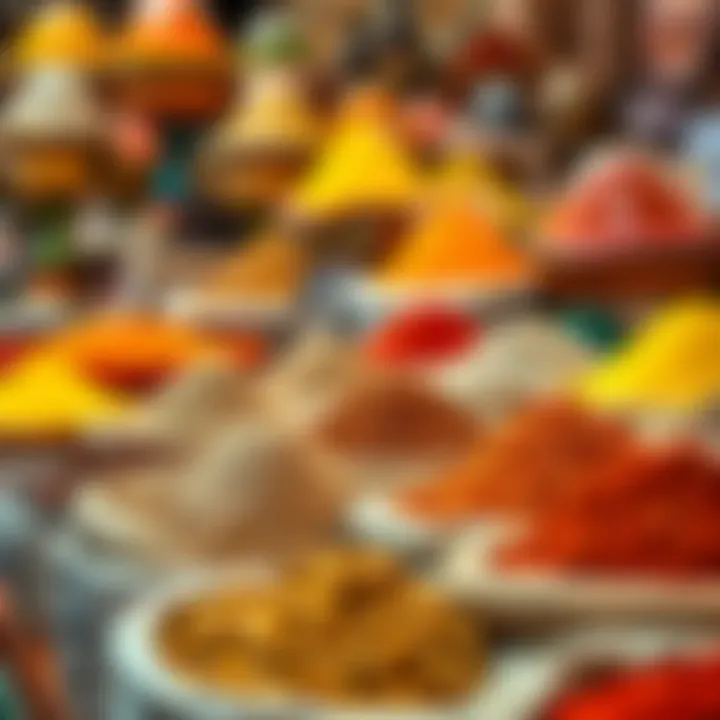
Every step into the Spice Souk ignites your senses, as though you’ve entered an intricate tapestry woven from fragrances and colors. The air is thick with the scents of spices—cardamom, coriander, and turmeric—all comimg together in a heady mix. Each vendor’s stall is a feast for the eyes. Brightly colored spices create a kaleidoscope effect, enticing you to explore further.
As you navigate narrow alleys, you might stumble upon vendors hawking their goods with animated gestures, inviting you to sample a dash or two. Walking deeper, visitors encounter dried herbs and aromatic teas, presenting opportunities to engage with skilled merchants eager to share their knowledge. This sensory overload makes every visit a memorable one, transforming simple shopping into an insightful cultural journey.
- Familiar scents: You may spot saffron, a luxury spice often dubbed "red gold," which captivates with its subtle yet rich aroma.
- Textures and colors: From rough, coarse peppercorns to fine, powdered chili, the diversity is astonishing.
- Tasting delights: Trying cardamom-infused Turkish delight or a handful of roasted nuts gives a personal touch to the experience.
"Engaging with the market isn’t just about buying; it is about connecting with a community cultivated over generations.”
Culinary Exploration
Delving into culinary exploration within the Spice Souk uncovers the array of flavors that defines Middle Eastern cuisine. It's here that visitors can learn not only to appreciate spices but also how they shape dishes across cultures. The souk serves as a classroom, where the aromatic allure of spices invites culinary enthusiasts to experiment or discover age-old recipes.
A few must-try spices and ingredients include:
- Za'atar: Often a concoction of thyme, sumac, and sesame, this blend can elevate simple dishes like bread or salads.
- Sumac: With its tangy, lemon-like flavor, it makes a perfect seasoning for grilled meats or a fresh salad dressing.
- Harissa: A spicy chili paste that offers a kick to stews, perfect for home cooks seeking a taste of authenticity.
Culinary workshops often sprout around the souk, where chefs teach tourists to curate meals using local spices and special techniques. Participants get to prepare traditional dishes, taking home not only recipes but also stories to tell. This blend of hands-on cooking experiences marries the culinary with the cultural, creating enduring memories.
In essence, both sensory impressions and culinary exploration facilitate a profound connection to the Spice Souk, cementing its crucial role in the heart of Dubai. Through these experiences, one’s visit extends beyond the physical market and delves into the shared understanding and appreciation of a culture deeply intertwined with its spices.
The Souk and Modernization
The Spice Souk stands as a testament to Dubai's rich history while simultaneously evolving in the face of rapid modernization. The convergence of tradition and innovation in today’s Spice Souk offers both visitors and local merchants a unique experience where centuries-old practices meet contemporary demands. This section explores the delicate balance between preserving cultural heritage and embracing the benefits brought by modern advancements.
Balancing Tradition with Progress
In the heart of Dubai, the Spice Souk is not just a marketplace; it's a living narrative. Merchants, many of whom come from generations that have traded spices, continue to employ traditional methods. For instance, the careful selection and preparation of spices have been passed down through families, ensuring authenticity and quality. However, the bustling atmosphere of this souk has also seen the impact of modernization. Recent years have brought a shift in consumer preferences, where convenience often reigns supreme.
From gourmet spice blends to ready-to-use curries, vendors are broadening their offerings to meet the needs of a diverse clientele. This adaptability showcases the strength of cultural traditions while recognizing the realities of a changing market landscape.
Moreover, as tourists pour in from all corners of the globe, there exists a palpable pressure to cater to varying tastes and dietary preferences. While vendors strive to retain their cultural essence, they are also aware that collaboration with contemporary culinary trends can elevate their standing in the marketplace.
This balancing act is essential. There must be a conscious effort to nurture rich cultural practices, whilst being open to innovations that can enhance the overall visitor experience.
Integrating Technology in Market Practices
The infusion of technology into the Spice Souk is an intriguing chapter in its ongoing evolution. In recent years, digital tools have started to infiltrate the ancient trade of spice dealing. For instance, many merchants have begun using social media platforms like Facebook and Instagram to showcase their products to a wider audience. These platforms are facilitating greater engagement with potential customers, making it easier to highlight unique offerings.
Additionally, certain vendors are embracing online sales and delivery services. This integration allows them to transcend physical boundaries, reaching patrons who may not be able to visit the souk in person. Apps and websites dedicated to food exploration make it possible to purchase authentic spices from any corner of the world, reinforcing the souk's role as a global hub of culinary exchange.
In-store, technology also enhances customer experience. QR codes, for example, offer consumers instant access to recipes or details about the origins of various spices, fostering an educational experience that complements their shopping. By adopting such innovations, the Spice Souk addresses both modern consumer behavior and the needs of an increasingly diverse clientele.
Ultimately, while modernization is inevitable, the soul of the Spice Souk remains intact; its success lies in the ability to adapt without losing the very essence that makes it a cultural gem. As it stands, the Spice Souk serves as a perfect illustration of how tradition and technology can coalesce to create a richer, more dynamic marketplace.
Cultural Events and Festivals


Cultural events and festivals are pivotal to the vibrancy and allure of the Spice Souk. They elevate the market from just a commercial hub to a rich tapestry of cultural expression, inviting locals and tourists alike to partake in the communal festivities. This section delves into some of the key events and seasonal activities that showcase the Spice Souk's unique character.
Seasonal Activities
Every season brings its own set of activities that breathe life into the Spice Souk. For instance, during Ramadan, the souk transforms with festive nights filled with vibrant lights and special evening markets. Vendors often showcase traditional Ramadan spices such as cardamom and saffron, used in seasonal dishes and drinks. The aroma wafting through the air creates an inviting ambience that beckons both locals and visitors to explore.
Another notable event is the annual Dubai Shopping Festival, where the souk plays a central role. Not only do prices dip as merchants offer discounts, but cultural performances also fill the streets. From traditional Emirati dancers to live cooking demonstrations, these activities offer a taste of the local culture, fostering a sense of unity among diverse groups.
In addition, harvesting festivals are celebrated, where spices like za’atar and sumac are highlighted for their health benefits and culinary uses. Market-goers can participate in tasting sessions, learning about preparation methods and recipes. These sorts of interactive experiences enhance understanding and appreciation of the spices, promoting their relevance in modern cooking.
Local and International Partnerships
The Spice Souk thrives on a network of partnerships that stretch from local artisans to international traders. These connections are not only about trade but also about sharing knowledge and cultural practices. For instance, partnerships with local culinary schools often result in workshops where chefs teach tourists about the spice trade's historical significance.
On an international scale, collaborations with chefs from different countries help to introduce diverse flavors and cooking techniques. By hosting international spice exhibitions, the souk showcases not just products, but also the cultural significance of spices in various cuisines around the world. These events allow local merchants to build relationships with overseas buyers, which enhances the economic sustainability of the market.
It's essential to note how technology helps these partnerships flourish. Online platforms enable local sellers to reach a broader audience, allowing for cultural exchange even beyond physical borders. This global connectivity illustrates how the Spice Souk bridges past and present, maintaining its importance in an increasingly globalized world.
"Festivals at the Spice Souk exemplify how culture and commerce intertwine, enriching both local heritage and global interest in spicy ingredients."
Cultural events are not just about spices or commerce; they encapsulate the very essence of connection, education, and celebration. As the Spice Souk continues to evolve, fostering local and international partnerships while honoring its rich heritage becomes paramount for its enduring legacy.
The Role of the Spice Souk in a Globalized World
In the heart of Dubai lies the Spice Souk, a vibrant emblem of trade that has transcended time and culture. But this isn’t just a local market; it plays a pivotal role in our increasingly interconnected world. At a glance, the Spice Souk is a testament to centuries of international trade, serving as a bridge between ancient practices and modern commerce. Its existence raises important questions about how traditional marketplaces can adapt and thrive amid global influences.
International Trade Connections
The Spice Souk stands as a beacon for international trade, connecting local vendors with global markets. Each stall not only offers a variety of spices but also reflects the ongoing dialogue between cultures. For instance, every sack of saffron or pouch of sumac tells a story of agricultural practices, sourcing routes, and trade networks that span continents.
- Diverse Sourcing: Spices from India, Iran, and Indonesia find their way to Dubai, mixing flavors and cultures. This isn’t just about spice; it’s about the warm exchanges that happen over deals made with a handshake.
- Resilience in Global Markets: During economic fluctuations, the Spice Souk has adapted by embracing international trends. Whether it’s organic spices or fusion blends, sellers are quick to respond to changing demands, ensuring their relevance in a world that often favors mass production.
Moreover, the Spice Souk attracts investors looking to tap into the global market. Many foreign investors see the potential in this unique marketplace, where tradition meets opportunity. This not only spurs economic growth but also enriches the cultural fabric of Dubai, as businesses align with modern values while retaining their heritage.
"The Spice Souk embodies a distinct intersection of tradition and globalization, transforming local commerce into a window to the world."
Cultural Exchange through Commerce
The Spice Souk is much more than a place to buy seasonings; it's a melting pot of cultural exchange. Every aromatic corner invites cross-cultural interactions. Visitors from all over the world walk through its winding pathways, sharing stories and experiences that enhance the overall atmosphere.
- Taste Buds and Encounters: In each confluence of tastes, whether it’s the pungent aroma of cardamom or the sweet layers of dried fruits, one can find shared culinary histories that intertwine different communities. These flavors foster an understanding and appreciation among visitors and locals alike.
- Events and Festivals: The Souk often hosts events where culinary arts meet cultural exhibitions, highlighting the shared heritage of food in uniting humanity. Such gatherings are significant in promoting local spices while providing a platform for global culinary practices.
In this way, the Spice Souk isn't simply a destination for shopping; it’s a ceremonial ground for the tastes and experiences that mark our collective identity. As Dubai continues to propagate its image as a global city, the Spice Souk’s function as a cultural crossroads will only deepen, reminding us that in commerce, we often find our common ground.
Epilogue: The Spice Souk’s Enduring Legacy
The Spice Souk stands as more than just a market; it’s a living testament to Dubai's rich cultural fabric and culinary narrative. In this conclusion, we reflect on the importance of the souk as a vibrant symbol of trading history, community interaction, and preservation of heritage in a rapidly modernizing world. Through centuries, the souk has remained a vital hub for local commerce, bridging the gap between ancient traditions and contemporary practices.
As visitors wander through the winding alleys filled with the aroma of spices and herbs from every corner of the globe, they encounter not just products but stories. Each stall, with its colorful displays and lively shopkeepers, represents a piece of the rich tapestry of Dubai’s cultural heritage. The souk invites both residents and tourists to engage, taste, and learn, thus allowing the passing of traditions from generation to generation.
Reflection on Cultural Heritage
Cultural heritage is at the heart of the Spice Souk, reflecting the values and traditions that shape the community. The market serves as a reminder of Dubai's past as a trading post between the East and West, demonstrating how spices have shaped economies and cultures alike. Walker’s senses are ignited here— vibrant colors, exotic scents, and lively sounds showcase a legacy that is continually evolving but deeply rooted.
Local artisans often display their craft alongside the spices, offering a chance to see traditional methods in action. This not only preserves age-old practices but also fosters a sense of community among vendors and customers. With these exchanges, the souk reinforces a connection to the past, reminding people of their heritage while embracing modern possibilities.
Future Prospects
The future of the Spice Souk appears bright, yet it faces challenges that will shape its trajectory. Modernization and global trends inevitably push for integration into the digital age; however, this need not erase its historical charm. Opportunities for enhancing customer experience through technology—such as online shopping for spices or virtual tours—could redefine the market's relationship with consumers.
Moreover, strategical partnerships with local chefs and culinary schools may help to further elevate the Souk's status as a culinary destination. Embracing sustainability practices will also play an essential role in preserving both the environment and the integrity of the products offered.
As a living market, the Spice Souk can adapt and thrive by blending innovation with tradition. The ongoing dialogue between the past and future will ensure that it remains a treasured aspect of Dubai's identity, offering an ever-evolving experience for visitors and locals alike. Embracing change while honoring its roots will ensure that the Spice Souk continues to enrich the cultural landscape of Dubai for generations to come.